Families and support
Latvia’s childcare allowance ends six months earlier for babies born from 3 November
In Latvia, a child born on 2 November 2026 can qualify for the childcare allowance until age two. For a child born the next day, payments end at 18 months.
Briefing published
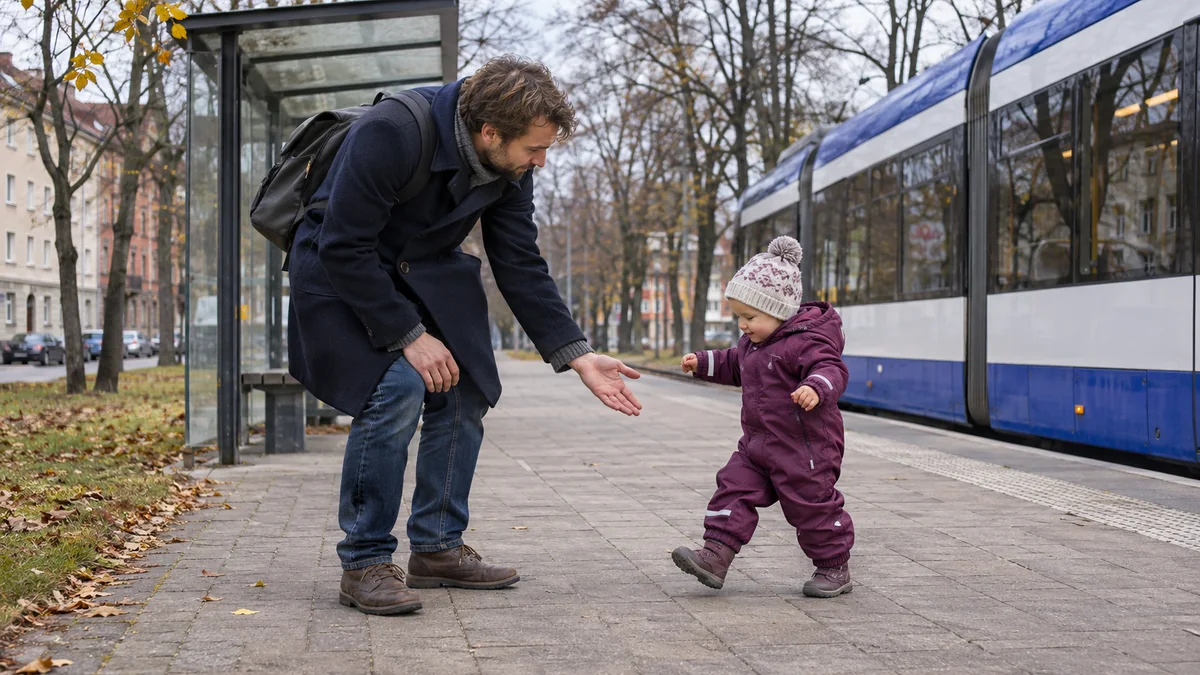
The cutoff is the child’s date of birth. A transitional provision passed by Latvia’s parliament took effect on 1 January. It preserves the two-year limit for children born on or before 2 November 2026. Crossing that date in the calendar does not stop an existing family’s payments. [1][2]
In 2026 the Latvian childcare allowance is €298 a month until the child turns 18 months. Under the earlier rules, the next six months carry a lower rate of €42.69 a month. It is this final payment period that no longer applies to families with children born from 3 November. The childcare allowance is distinct from Latvian maternity and paternity insurance benefits. [2][3]
Latvia’s State Social Insurance Agency (VSAA) lists a parent, guardian or another person actually raising the child among those who can claim if they meet the eligibility requirements. The agency’s service page sets out the conditions. Applications can be made online or at a VSAA service centre. [3]
Sources
- Grozījumi Valsts sociālo pabalstu likumā: vaiko priežiūros išmokos pereinamoji nuostata
Latvijas Republikas Saeima / Latvijas Vēstnesis · Source published · Checked
- Izmaiņas VSAA pakalpojumos 2026. gadā
Valsts sociālās apdrošināšanas aģentūra · Source published · Checked
- Granting and disbursement of childcare allowance
Valsts sociālās apdrošināšanas aģentūra · Source published · Checked
This briefing summarises the cited sources. The data reference period can differ from the news publication date. How we prepare briefings.